Thursday, September 1, 2022

What it Means to Have Control

At this point in life, you might believe you have a real understanding of what being a family is. You must remember that you will not have control of everything. Being that role model is what you should strive for. Don't try to be perfect and don't try to make your family perfect. Flaws are part of life and they should be embraced. 

There are four different types of parenting and there is only one that should be the goal. There is an authoritative, authoritarian, permissive, and neglectful. As you might already know neglectful is someone who doesn't care for the child and dismisses them. Permissive parenting is when you recognize the child but don't enforce any rules, have low expectations, and want to be more of a friend than a parent. Authoritative is when you have high expectations and high responsiveness to your child; therefore, you want them to achieve great things and you will do what you can and be as understanding as possible to help your child achieve that goal. Then authoritarian has high expectations but isn't always aware of the child. Out of all of these authoritative parenting is what you should strive to have in your family. You may not be perfect but helping them become the best they can be without hurting them can be the difference between your family and one that doesn't recognize their family's potential. 

As a parent or spouse, our behavior makes the difference in the family. Our psychological control versus our behavioral control can change our mindsets. "Behavioral control is generally what is meant by the term “demandingness,” in which parents monitor child behavior and hold children accountable when they misbehave. In contrast, psychological control is generally considered to be deleterious, regardless of its tone or level" (Eds et al., 2020). We should strive a behavioral control in the home. This doesn't mean that we have to pay attention to everything our child does but we should be able to help them understand the consequences of their actions and what they can do to become better. Whereas with psychological control we have a certain expectation that may not always fall through. We can strive to be authoritative along with behavioral control of our households. 

The difficulty and stress that comes with a family are all there. But don't let that distract you from enjoying it. We don't want to make mistakes, but it's ok to make them. I know that there are times in my life when I hope that my future child doesn't do the same as I or take an opportunity I never did. But each child and your spouse as well will come with challenges. Each person is different and has their own future ahead. Don't feel you have to make their future a certain way, but instead how you can help them find the future they want. 


https://online.vitalsource.com/reader/books/9780842528030/pageid/134

Define A Healthy Marriage

Whether you look at your parents, a couple on TV, or even just the relationships around you and they look happy. You might think they have no problems in life or they must be the perfect couple. Let me assure you that while those relationships look perfect, that doesn't mean they were always that way. Every couple will go through struggles in the relationship, no matter how many good moments they have, it doesn't mean it's always sunshine. You might not have the perfect marriage; however, I can help you do your best to get your best experience from it. Six foundational processes can help.

We start with the "Foundational Process #1: Personal Commitment to the Marriage Covenant" (Eds et al., 2020). In this process, we must include Our Savior in our commitment. Marriage between a man and a woman is sacred so we will be making important decisions during this time. Bring Him into each conversation will help you make those decisions such as children, money management, moving, etc. This may not be a step that everyone thinks about. In fact, I have many friends who believe in God and those who don't. Those who don't are not necessarily thinking about this step in life. However, those who I know who are members of the Church have found that bringing the Lord in each step makes things easier. It gave them a guide and hope for their future. Building your family through Him, then raising them into the kingdom will provide your family with many blessings and guidance from Him. 

"Foundational Process #2: Love and Friendship" (Eds et al., 2020) is the next step. Of course, you want to marry your best friend; therefore, love is a big part of that. However, while loving someone is the goal you must also understand the responsibility of loving someone. This love runs on your agency throughout the relationship. Do you choose to love each other even when you are angry? Is love a message that you send often? How can you better improve the relationship? Remember that this relationship, like most, evolved through being friends first. You shouldn't be afraid to learn more about your friend in a positive light. Learn to understand their love language and what you can do to uphold that. Talk to each other, it's as simple as that. Don't be afraid to talk to your best friend and learn what you can do to build a relationship.

"Foundational Process #3: Positive Interaction" (Eds et al., 2020) helps us understand what positive relations can do. We all know that by having positive interactions you can be happier even with negative ones. But how can we make sure there are positive than negative interactions? Research shows that most often we see five positive interactions to one negative interaction. We can learn to focus on the positive by focusing on the negative. What I mean by this is that we all have flaws, but that shouldn't be our main focus. We must focus on what we admire about the other person and what we could do as a couple to build each other up.

"Foundational Process #4: Accepting Influence from One's Spouse" (Eds et al., 2020) allows us to understand our spouses' reasoning in certain circumstances. We must validate each others' opinions and help one another learn from them. By doing this we will be able to better understand one another. We must learn to apply these things to our family and just by our own opinion. Openly express your feelings. 

"Foundational Process #5: Respectfully Handle Differences and Solve Problems" (Eds et al., 2020) tells us that we might go into marriage thinking life will be blissful. Though there are a lot of ups, that also includes downs. To get through these things we must be able to approach each other's differences in a way that allows both to be happy. Compromise is one thing, but there will be times when one person's opinion or preference takes over. Don't go into arguments with a bad temper. When times like such come up, take time from each other and think about what you want to address. Once both are calm and in a better mindset, sit down and talk to one another. There are many methods to help this situation, such as a talking piece or a timer. 

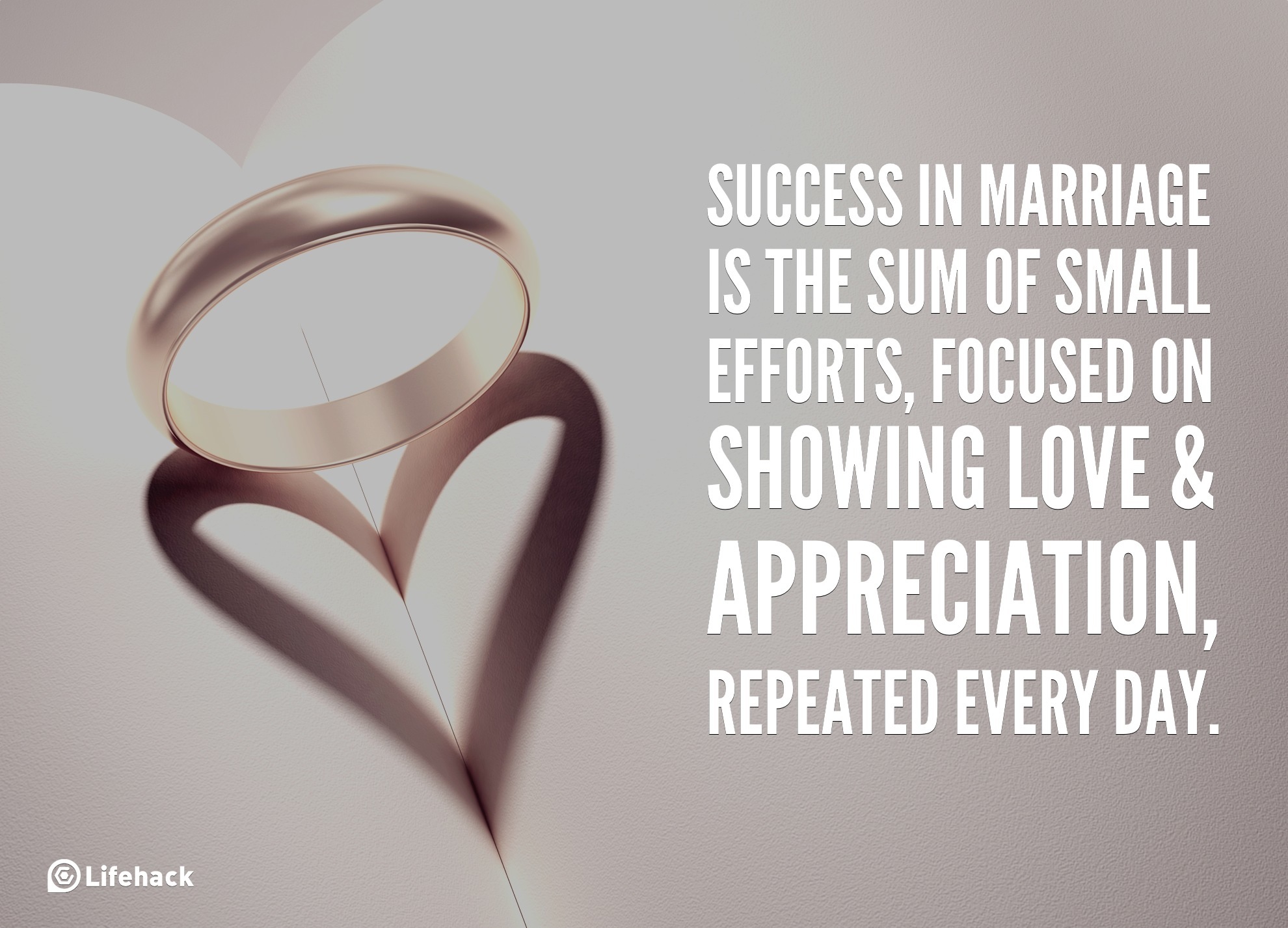
Finally "Foundational Process #6: Continuing Courtship through the Years" (Eds et al., 2020) sounds easier said than done. Learning from one another is done all through marriage. Don't feel that you will always have it perfect because that isn't true. Take time to notice the things your spouse does. Take time to understand and spend time with them. Marriage can be scary, but it's what you make of it that will determine your happiness. 


https://online.vitalsource.com/reader/books/9780842528030/pageid/38

What it Means to Have Control

At this point in life, you might believe you have a real understanding of what being a family is. You must remember that you will not have c...